StrategyMay 28, 2026 · 7 min read

Same-Day Implant Marketing That Books Surgical-Ready Full-Arch Patients Fast

Thiago Carvalho

· Founder & CEO

Published · Updated

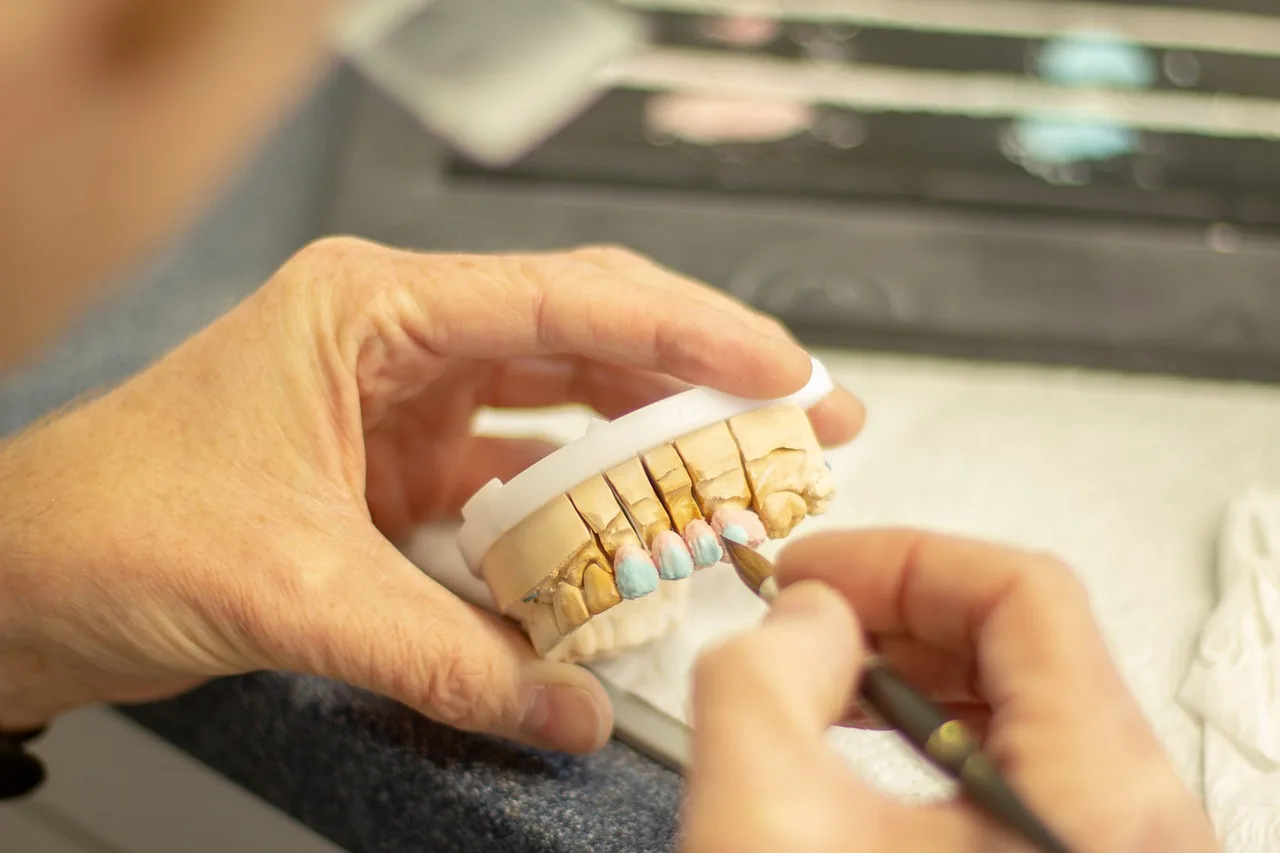
Same-day full-arch prosthesis ready for delivery

Same-day full-arch implants — teeth in a day, all-on-4 same-day, immediate-load fixed prosthetics — represent the single most marketable procedure in modern implant dentistry because they collapse a six-month treatment timeline into a single morning and let the patient walk out with functional teeth the same afternoon. The patients who choose same-day surgery are not shopping on price; they are shopping on speed, on convenience, and on the emotional weight of not waking up tomorrow with the same failing dentition they have hated for fifteen years. The marketing that books these patients in 14 days from first ad impression to seated surgery requires very specific creative angles, financing hooks, scheduling infrastructure, and clinical-readiness protocols. This article documents a playbook for practices building a same-day implant pipeline, from the Meta creative concepts that capture the time-urgent patient to the surgical scheduling system that protects same-day capacity without leaving operatories empty.

Why Same-Day Implant Marketing Plays by Different Rules

Same-day implant patients self-select on speed and urgency in a way that traditional staged-implant patients do not. They are not comparing five providers across 60 days of research — they are looking for the practice that can solve their problem this month, ideally this week, and they are willing to pay a premium and travel further to get it. Marketing to this patient requires creative, messaging, scheduling, and operational systems engineered around speed as the primary value rather than price, prestige, or technology.

The Speed-Sensitive Patient Profile

Three patient archetypes dominate the same-day funnel. First, the wedding-deadline patient — typically 55 to 70 years old with a family event eight to fourteen weeks out who refuses to attend with her current failing dentition. Second, the failing-bridge-or-denture patient who has reached the breaking point with chronic pain, infection, or embarrassment and wants resolution now rather than after a six-month staged protocol. Third, the relocating patient who is moving to a new city in 60 days and wants the procedure completed before the move.

The Premium Positioning and the Price Disqualification

Same-day full-arch cases typically command a 25% to 40% premium over staged protocols — a $48,000 to $54,000 average ticket versus a $36,000 to $40,000 average for the same prosthetic with a delayed loading protocol. The premium reflects the clinical complexity, the surgical time compression, the prosthetic engineering of the immediate-load temporary, and the operational cost of dedicating a full day of operatory and surgical-team time to a single patient.

Meta Creative Concepts That Convert the Time-Urgent Patient

Meta is the dominant channel for same-day implant patient acquisition because the demographic — 55 to 70, female-skewed, mid-to-upper income, often retired or near-retirement — over-indexes on Facebook and Instagram time-spent. The creative concepts that produce $35 to $55 cost per qualified same-day lead are tightly engineered around timeline urgency, specific financing scenarios, and real patient transformations from comparable demographic and case profiles.

The Five Highest-Converting Creative Angles

Angle one is the timeline-anchor reel: 'From failing denture to fixed teeth in 14 days. Real patient, real timeline, real story.' A 30-second video shows the day-of-surgery and the day-of-temporary-delivery in split-screen with a single sentence of caption per scene. This concept tends to produce the lowest CPL of any same-day creative because it answers the patient's core question — can you really do this in two weeks — before she has to ask it.

The Audience Architecture and Geo Strategy

The same-day Meta audience runs in three concentric layers. Layer one is the 12-mile core geo around the practice with the broadest age 55 to 72 targeting. Layer two is the 30-mile secondary geo with a tighter interest-based targeting around denture wearers and dental anxiety. Layer three is the 100-mile outer geo with explicit travel-and-stay messaging in the creative copy — 'we coordinate hotel and transport for out-of-town surgical patients' — to capture the patient willing to travel for the timeline.

The Landing Page Built for Same-Day Conversion

The same-day landing page diverges from the standard implant landing page in three significant ways: the hero block displays the next available surgical date as a live, dynamic element; the financing block leads with the same-day premium pricing tier rather than the staged-protocol pricing; and the intake form qualifies on timeline as the first field, before name or financing. These three changes lift conversion rate by 30% to 45% on same-day traffic versus a generic implant landing page.

The Live Surgical Calendar Hero

The hero block on the same-day landing page includes a live element pulling from the practice's surgical scheduler: 'Next available same-day surgical date: Tuesday, March 14.' The date updates automatically as appointments are booked, and the urgency is real rather than manufactured. Patients who see a specific next-available date convert at 1.6x the rate of patients shown generic 'book your consultation' messaging because the date crystallizes the timeline reality.

The Intake Form That Qualifies on Timeline First

The same-day intake form opens with a single question: 'When do you need teeth?' with four choices: this month, next month, within 90 days, or just researching. Patients who select 'just researching' route to the standard implant landing page rather than the same-day funnel, preserving the same-day team's capacity for actual same-day patients. This timeline-first qualification routes roughly 40% of inbound traffic to the appropriate funnel within five seconds.

The Surgical Scheduling System That Protects Same-Day Capacity

Same-day marketing volume that overruns the practice's same-day surgical capacity creates worse outcomes than no marketing at all — patients are booked for consultations, told the timeline they came for is unavailable, and converted into negative reviews and competitor referrals. The scheduling infrastructure that prevents this outcome blocks same-day surgical capacity months in advance, routes same-day consultations to those protected blocks, and uses cancellation-recovery automation to keep the blocks full when patients reschedule.

The Forward-Booked Surgical Block Strategy

Same-day surgical capacity is blocked out in the surgical scheduler 90 days in advance with explicit same-day-only designation. A typical mid-size implant practice running a meaningful same-day pipeline blocks four to six surgical days per month — usually Tuesdays and Thursdays — as exclusively same-day capacity. These blocks are not made available for staged-protocol surgeries even when consultation volume runs hot, because the same-day pipeline cannot sustain itself if patients cannot be slotted within the timeline they were marketed.

The Clinical Readiness Protocol for Same-Day Surgery

Same-day surgical readiness requires diagnostic completeness before the patient signs treatment. CBCT imaging, digital impressions, surgical guide design, and lab fabrication of the temporary prosthetic all happen in the 14-day window between consultation and surgical date. The practice's surgical workflow protocol is documented step-by-step in the practice's clinical playbook with named owners and date triggers, and any deviation from the protocol triggers a status review with the surgeon.

Measurement, Iteration, and the Same-Day Operating Cadence

Same-day marketing requires a tighter operating cadence than staged-implant marketing because the consultation-to-surgery timeline compresses to 14 days and the feedback loop on creative, intake, and clinical execution runs faster. The practices that sustain durable same-day pipelines all run a weekly operating meeting focused exclusively on the same-day funnel, with the surgeon, the TC team, the surgical scheduler, and the marketing partner reviewing one specific intervention each week.

The Weekly Same-Day Dashboard

The same-day weekly dashboard tracks seven numbers: same-day-qualified leads, booked same-day consultations, seated same-day consultations, signed same-day cases, blended cost per signed same-day case, surgical block utilization rate, and patient satisfaction score for completed same-day cases. The dashboard is reviewed every Monday at 9am with the full same-day operating team, and one specific intervention is committed for the following seven days.

The Quarterly Same-Day Strategy Review

Once a quarter, the same-day operating team conducts a full strategy review with the surgeon, the practice owner, and an outside consultant or peer practice owner. The review covers the previous 90 days of pipeline data, surfaces operational gaps, evaluates competitive landscape changes, and produces a 90-day forward plan with three to five specific strategic interventions. This outside-in perspective catches blind spots the internal team has rationalized over time.

Related reading

Frequently Asked Questions

Can you really book a full-arch same-day patient in 14 days from first ad impression?

Yes, when the marketing, intake, clinical, and scheduling systems are properly aligned. The 14-day timeline runs as follows: day one ad impression to day three form submission, day three to day five consultation, day five to day eight diagnostic completion and treatment signing, day eight to day fourteen prosthetic fabrication and surgical day. Practices with mature systems compress this further; practices without proper infrastructure stretch it to 30-plus days.

What is the typical case value for same-day implant cases?

Same-day full-arch cases run $48,000 to $54,000 per arch on average, a 25% to 40% premium over staged six-month protocols. The premium reflects the surgical compression, prosthetic engineering of the immediate-load temporary, and operational cost of dedicating a full surgical day to a single patient. The premium is intentional and protective — it disqualifies price-sensitive patients who would consume the surgical block without tolerating the case total.

What percentage of full-arch consultations should we expect to be same-day candidates?

With same-day-specific marketing, roughly 40% to 55% of inbound full-arch consultations qualify as same-day candidates. Without same-day marketing, the rate drops to 15% to 20% because the staged-protocol patients self-select via different marketing channels. The same-day pipeline is a distinct funnel requiring distinct creative, distinct landing pages, distinct intake qualification, and distinct surgical capacity.

How important is the live surgical calendar element on the landing page?

Critical. Patients who see a specific next-available surgical date convert at 1.6x the rate of patients shown generic booking copy. The date crystallizes the timeline reality, creates honest urgency, and shifts the patient's mental frame from research to commitment. Implementing a live calendar element is a 4-to-6-hour engineering task that pays back in conversion lift inside 30 days.

How do we protect same-day surgical capacity from getting consumed by staged cases?

Forward-block four to six surgical days per month as exclusively same-day capacity, 90 days in advance, with explicit scheduler designation that prevents staged-protocol overrides. The blocks are reviewed weekly with the surgical scheduler, recovered with active rebooking sequences when cancellations occur, and converted to staged cases only when same-day pipeline cannot fill them inside 14 days of the date. Discipline matters more than flexibility here.

Implant Prospect is a dental implant marketing agency built for implant-focused practices. If you want help applying this to your own schedule, get in touch. Get in touch →

Want This Strategy For
Your Practice?

Book a free 30-minute strategy call and we'll build a custom plan for your market.

From the Founder

Implant Prospects was founded by Thiago Carvalho, author of two books on dental implant marketing. He is also the founder of ZenData CRM, a CRM built for dental practices to book, manage, and retain the patients their marketing brings in.