Websites & Landing Pages
Implant landing pages built to convert paid and local traffic into booked consultations
Traffic is only half the system. We build dedicated implant and full-arch landing pages — and, where a practice needs it, the implant-focused site around them — designed around a single job: turning a searcher into a booked consultation. Pages ship with financing messaging, proof, schema markup, fast load times and a short qualification form wired directly into the CRM.
A strong campaign sending traffic to a general dental website is the most common source of waste we find in an audit. The patient clicked on an ad about full-arch implants and financing, and landed on a homepage about whitening, hygiene and the team. Purpose-built implant pages fix the message match: they continue the sentence the ad started, put the financing figure and the proof above the fold, load fast on a phone, and ask for one thing. Where a practice's main site cannot carry that job, we build the implant-focused site around the landing pages too.
How it works
- 01
Define the conversion path
One page per offer and traffic source, each with a single call to action.
- 02
Design and build for speed
Mobile-first pages with sized images, no third-party bloat and schema markup in the HTML.
- 03
Wire forms and tracking
Forms, calls and chat all land in the CRM with source attribution.
- 04
Test and iterate
Headlines, proof and form length are tested against booked-consultation rate, not bounce rate.
What's included
Everything below is delivered by the Implant Prospect team as part of the engagement. See how it fits the three ways to work with us on the pricing page.
Read the full-arch implant marketing playbook →- Dedicated landing pages (×5)
- Full-arch and single-implant page variants
- Financing and proof sections
- Form, call and chat tracking into the CRM
- Ongoing conversion-rate testing
Inside the system
The page structure that converts implant traffic
Every landing page follows the same tested shape: a hero that names the procedure and the monthly financing figure with a single call to action; a pre-qualification or financing block that lets the patient check themselves against the criteria; patient stories in video and before-and-after form with the timeline attached; the surgeon's credentials and the technology; and a short form with trust copy next to it. Full-arch and single-implant traffic get separate pages, because the patient, the price and the objections are different.
Speed, mobile and the technical layer
Most of the traffic arrives on a phone, often on a slow connection, so pages are built to a performance budget: sized and compressed images, system or preloaded fonts, no third-party scripts that do not earn their place, and Core Web Vitals checked before launch and after every change. Schema markup, clean internal linking and a hub-and-spoke structure let the same pages rank organically as well as convert paid clicks.
Measurement and the testing cadence
Forms, calls and chat on every page land in the CRM with source attribution, so a page is judged on booked consultations rather than bounce rate. We change one thing at a time — the headline, the proof block, the number of form fields — and keep what moves the booking rate. A brand refresh, where a practice needs one to command the case values it is quoting, follows the same discipline: positioning first, then the visual identity, then a rollout across every page and ad.
Results from practices on the system
All results →
$50K → $65K
Call Revenue Months 2–3
Truedent Family Dentistry
Dr. Mileidis Peña Marro · Miami, FL
Truedent Family Dentistry grew tracked call revenue from $10K to $65K across three reporting months, connecting local visibility with calls and booked consultations.
Cosmetic + Implant
Read the case study →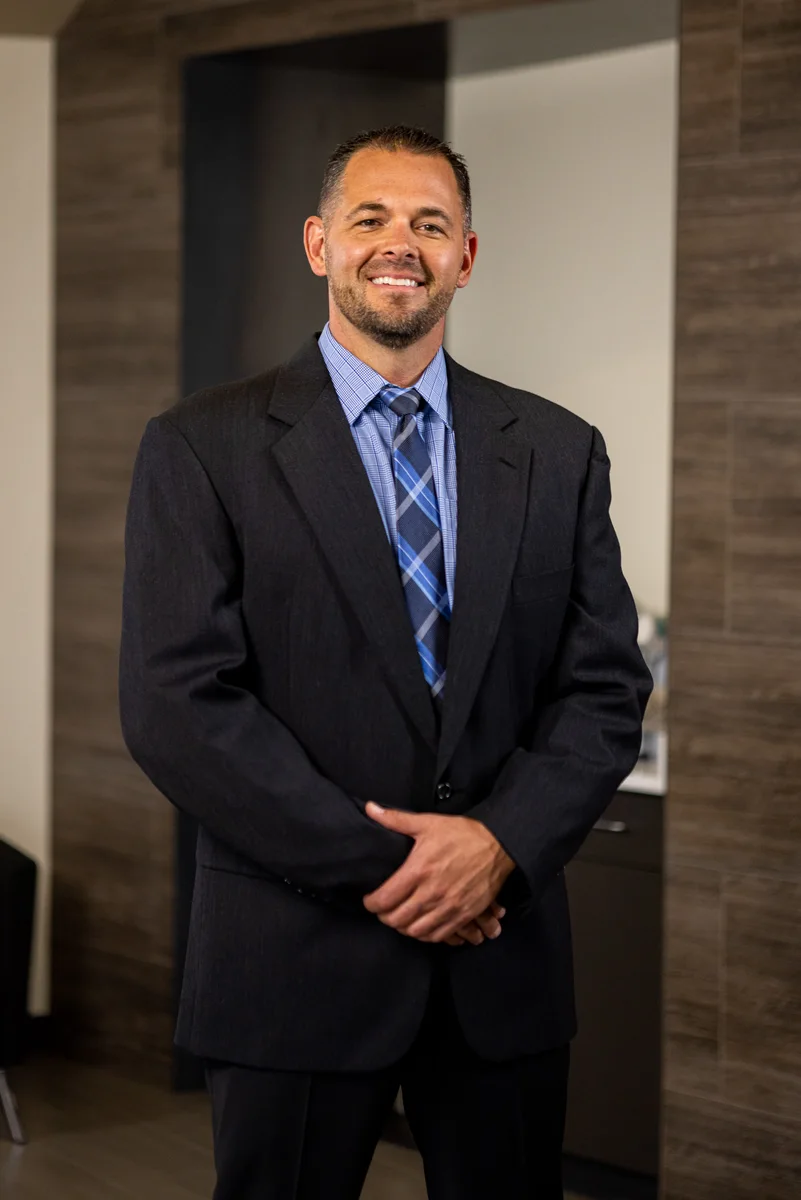
$2M
In full-arch cases
Arvada Dental Center & Implants
Dr. Gregory Bennett · Arvada, CO
Arvada Dental Center & Implants: $2M in full-arch cases, supported by a clear process for calling leads, qualifying patients and booking consultations.
GP + Implant
Read the case study →Websites & Landing Pages questions
All FAQs →Do I need separate landing pages for single-tooth implants and full-arch?
- Yes. The two buyer profiles have different price points ($4,000 vs $42,000), different decision timelines (weeks vs months), and different emotional drivers. Sending both audiences to the same landing page tanks conversion rates for both. Practices that split funnels typically see lead quality improve by 30–50% and full-arch consult volume climb 40–70% within one quarter.
How do I know if my full-arch landing page is actually converting?
- Healthy full-arch landing pages convert paid traffic at 4–8% form submission and 2.5–4% qualified booked consult. If you're under 2%, the page likely has friction in the form, weak above-the-fold copy, missing financing language, or trust signals buried below the fold. Heat-mapping with Hotjar and weekly A/B tests usually surface the issue inside two weeks.
What's the most important conversion lever for All-on-4 landing pages?
- The combination of all-inclusive price anchor, soft-pull financing pre-qualification, and primary CTA above the fold. Pages that surface a single all-inclusive price ('Complete arch: $24,900, financing from $389/month') consistently outperform à la carte pricing pages by 35–55% on same-day acceptance after the consult.
See what Websites & Landing Pages would look like for your practice
Book a 30-minute call and we'll walk through your market, your current numbers and what this system would change. Or leave your details and we'll reply within one business hour.
Book a 30-Minute Call