
StrategyMay 28, 2026 · 7 min read

Periodontist Implant Marketing That Fills Full-Arch Surgical Chairs Year-Round

Thiago Carvalho

· Founder & CEO

Published · Updated

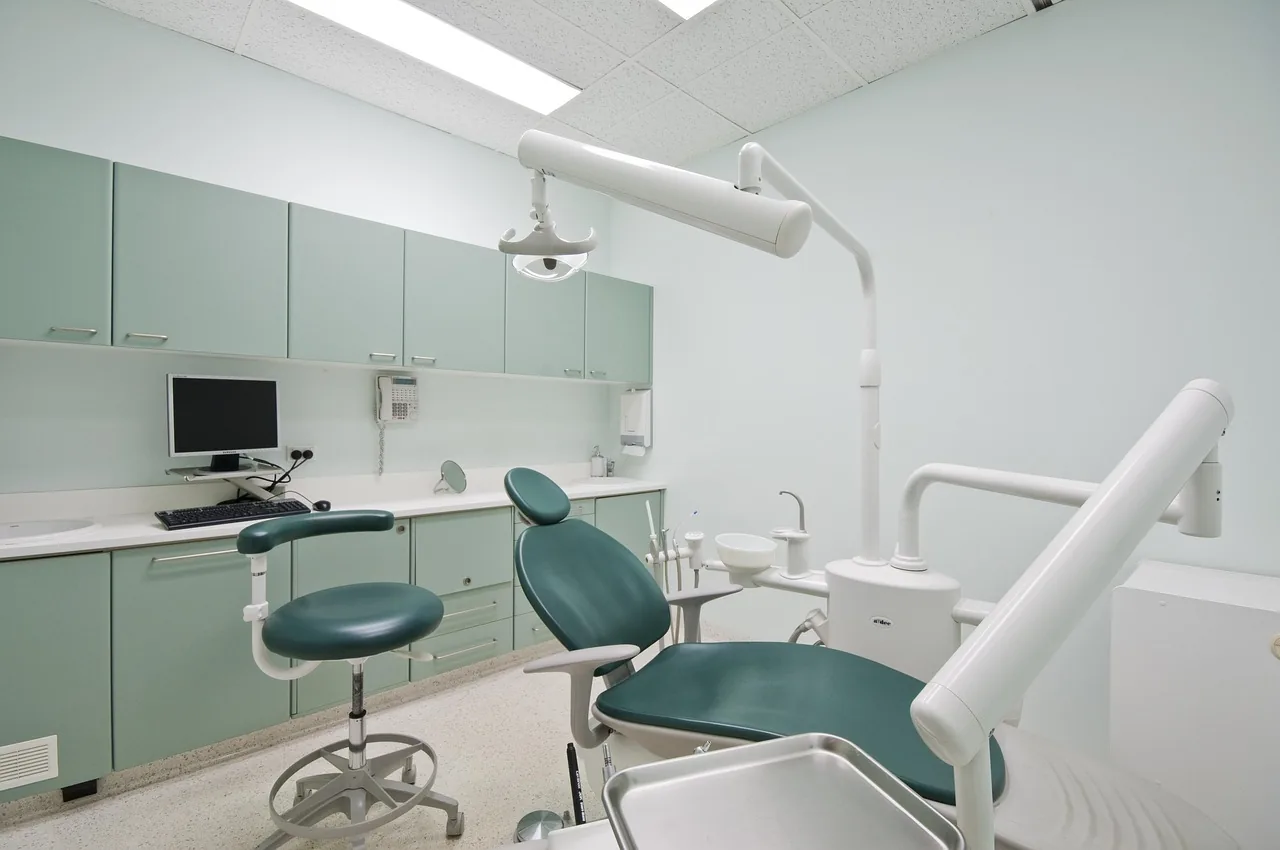
Periodontal practice treatment room

Periodontists hold an unusual position in the implant marketing landscape: clinically, you place more implants per capita than any other specialty, but commercially, most periodontal practices still get 75–85% of cases from GP referrals — a flow that fluctuates with one or two key referring offices and can collapse in a single quarter if a referrer retires or sells. Periodontists need a diversified marketing system to lock in surgical chair utilization through direct-to-patient channels while protecting and growing the referral base. The math is compelling: a $40,000 full-arch case at 70% margin generates $28,000 in operating profit, and adding 4 direct cases per month from marketing turns into $1.3M of annual incremental revenue at the practice level. This article walks through periodontist-specific positioning, the referral-protection systems that lock in your current network, the direct-patient funnels that do not feel like consumer dentistry, and the reporting cadence that lets a perio owner steer both channels at once without dropping clinical quality.

The Referral-Dependency Risk Every Perio Practice Carries

The 80/20 Referrer Concentration Problem

Audit any periodontal practice's referral source list and the pattern repeats: roughly 20% of referring GPs produce 70–85% of total case volume. That concentration is a single-point-of-failure problem hiding in plain sight. When the top referrer retires, sells, or shifts allegiance to a competing periodontist, the practice can lose 30–50% of monthly revenue inside a quarter — and rebuilding takes 18–36 months of relationship work to recover.

Why Diversification Is a Five-Year Decision

Direct-to-patient marketing for a perio practice does not produce meaningful volume in the first 90 days, which is why most practices abandon the effort before it works. The investment curve is two-to-four years long: months 1–6 build organic search authority and review density, months 6–18 accumulate retargeting pools and email lists, and only by months 18–36 does direct-acquired case volume rival referred volume. Practices that quit at month 4 see the cost but never the return.

Direct-to-Patient as an Insurance Policy

Beyond the growth case, direct-to-patient infrastructure functions as insurance against referral disruption. A periodontist with 30% of cases arriving from direct channels can absorb the loss of a top referrer without operating-room downtime, because the direct pipeline maintains baseline chair utilization while referral relationships are rebuilt. Practices without direct infrastructure face crisis-mode marketing spend at the worst possible moment.

Periodontist Positioning That Does Not Feel Like Consumer Dental

Specialty Visual Language and Tone

Periodontist brands should look and read closer to a surgical-medical practice than to a consumer dental clinic. Replace cartoon teeth and pastel color palettes with restrained typography, high-contrast surgical photography, deep neutral colors, and operatory imagery that emphasizes technology — CBCT, surgical microscopes, navigation systems, in-office laboratory work. The visual system signals 'this is a specialty surgical environment' before any words are read.

The Surgical-Specialist Promise Statement

Develop a one-line promise statement that signals surgical specialty in plain language patients can remember: 'Periodontal surgery and full-arch implant reconstruction — board-certified periodontist, 20+ years of complex case experience.' The statement should appear on the homepage hero, in TC opening scripts, on business cards, and in every channel touchpoint. Consistency makes it stick in the patient's mind during the spouse-conversation phase of decision-making.

Avoiding Cosmetic-Dentistry Cliches

Stock photos of perfect smiles, 'transform your life' headlines, and before-and-after veneers galleries actively damage a periodontal practice's positioning. They signal cosmetic dentistry to both referring GPs (who fear competition for general patients) and to surgical buyers (who want medical authority, not aesthetic salesmanship). Strip the cosmetic cliches from every marketing surface and replace them with clinical case documentation and surgical outcome data.

Referral Protection and Expansion Systems

Quarterly Touchpoints That Keep You Top of Mind

Every referring GP needs at least one meaningful touchpoint per quarter to prevent dormancy. The touchpoint can be a quarterly case-report mailer, an in-office lunch-and-learn, a CE event invitation, a personal phone call to discuss a recent referred case, or a hand-delivered holiday gift. The medium matters less than the consistency. Practices that systematize quarterly touchpoints typically see referral volume climb 18–35% in the first year purely from preventing drift.

CE Programs as a Defensive Moat

Hosting quarterly CE events at your practice — 90-minute clinical presentations on periodontal regeneration, implant complications, soft-tissue grafting, or full-arch surgical protocols — fills 18–32 GP seats per event and creates a defensive moat that competitors struggle to replicate. The GP who has spent four CE evenings inside your operatory over a year forms a relationship with your team that no marketing outreach can dislodge.

The 'New GP in Town' 30-Day Onboarding Sequence

Every new general dentist opening or joining a practice in your service radius represents a 25-year referral relationship opportunity if you reach them in the first 30 days. Build a structured onboarding sequence: welcome letter from the periodontist within week one, in-office lunch-and-learn invitation within week two, CE event invitation within week three, and a printed periodontal/implant case-report packet by week four. The sequence costs under $200 per new GP and typically captures 60–75% of new referring relationships in the market.

Direct-Patient Channels Built for Surgical Specialty

Paid Search on Periodontal Implant Queries

Periodontist paid search should target a specialty keyword stack: 'periodontist near me,' 'gum surgery [city],' 'full arch implants periodontist,' 'periodontal regeneration [city],' 'dental implants periodontist [city],' plus complication-specific terms ('failed implant,' 'peri-implantitis treatment'). These terms convert at 2–3x the rate of generic implant terms because the searcher has identified a specialty need that only a periodontist or oral surgeon can address.

Long-Form Content on Bone Grafting and Sinus Lifts

Patients researching periodontal implant procedures want clinical depth that general dental sites cannot provide. Build a content library covering procedures the GP cannot perform: alveolar ridge augmentation, sinus floor elevation, soft-tissue grafting around implants, peri-implantitis treatment, full-arch immediate-load protocols. Each page should run 1,800–3,200 words with CBCT illustrations, recovery timelines, success rates, and complication discussion.

Local SEO Focused on Surgical Modifiers

Local SEO for periodontists requires Google Business Profile optimization with the correct primary category (Periodontist, not Dentist), 200+ procedural photos including surgical-environment imagery, weekly Google Posts on case successes, and a dense review profile averaging 4.8+ stars across 200+ reviews. Citation building across 80+ data aggregators must consistently designate the periodontal specialty rather than generic dental categorization.

TC and Case Acceptance for High-Complexity Cases

TC Scripts for Multi-Visit Surgical Plans

Periodontal full-arch cases typically involve a multi-visit surgical sequence — extractions, immediate-load placement, healing period, prosthesis delivery — that confuses patients accustomed to single-visit dental procedures. The TC script must walk through the timeline clearly, set realistic expectations about each phase, and reassure the patient that the multi-visit complexity is exactly why specialty surgical expertise matters. Patients who understand the sequence convert at 30–50% higher rates than patients who feel surprised by complexity at consultation.

Financing Choreography for $40K–$70K Cases

Full-arch periodontal cases routinely run $40,000–$70,000 per arch and most patients require financing to proceed. Build a financing workflow with three layers: soft-pull pre-qualification through CareCredit, Proceed Finance, or Lending Club before the consult; in-consult financing presentation by a trained TC or financial coordinator; and a 14-day decision-window follow-up sequence for patients who need spouse or family conversation time.

Related reading

Frequently Asked Questions

How much of our marketing budget should periodontists allocate to direct-to-patient vs referral programs?

Most periodontists building diversified flow allocate 60–70% of marketing budget to direct-to-patient channels (paid search, content, local SEO, paid social) and 30–40% to referral programs (CE events, case-report mailers, GP outreach). The split inverts the historical practice ratio but produces dramatically better long-term resilience and total revenue.

Will paid consumer marketing damage relationships with referring GPs?

Not when positioned as surgical specialty rather than as competition for general dentistry. Lead all consumer-facing marketing with periodontal credentials, surgical complexity, and full-arch reconstruction focus. Communicate the strategy clearly to top referrers in person. Most GPs welcome a strong specialty brand because it makes their referral conversation easier and reinforces their judgment in choosing your practice.

What ROI should we expect from a quarterly CE event program for referring GPs?

Mature CE event programs typically produce 4–9 new referring relationships per event and reactivate 6–12 dormant referrers per year. Conservative ROI math: 25 new referring offices producing 1.5 cases per year at $35,000 average case value generates $1.3M of annual referred revenue. Event costs typically run $3,000–$6,000 per event, so the program pays back inside the first quarter.

How long until direct-to-patient marketing produces meaningful case volume?

First direct-acquired cases typically arrive within 60–90 days of program launch, but meaningful monthly volume (8–15 cases per month) usually takes 12–18 months of consistent investment. Practices expecting quicker payback often abandon the effort prematurely. The two-to-four-year compounding curve is the reality of building search authority and review density in competitive metros.

Should periodontists use the same TC team for referred and direct-acquired patients?

Yes, but with differentiated scripts. Referred patients arrive pre-trusted and the TC can skip credential establishment, focusing on logistics and financing. Direct-acquired patients require credential establishment in the first 90 seconds before any clinical or scheduling conversation. The same TC can execute both scripts with brief training, and call routing by lead source ensures the right script triggers.

Implant Prospect is a dental implant marketing agency built for implant-focused practices. If you want help applying this to your own schedule, get in touch. Get in touch →

Want This Strategy For
Your Practice?

Book a free 30-minute strategy call and we'll build a custom plan for your market.

From the Founder

Implant Prospects was founded by Thiago Carvalho, author of two books on dental implant marketing. He is also the founder of ZenData CRM, a CRM built for dental practices to book, manage, and retain the patients their marketing brings in.