
Lead GenMay 28, 2026 · 8 min read

Dental Implant Referral Marketing That Builds a Repeatable Referral Engine

Thiago Carvalho

· Founder & CEO

Published · Updated

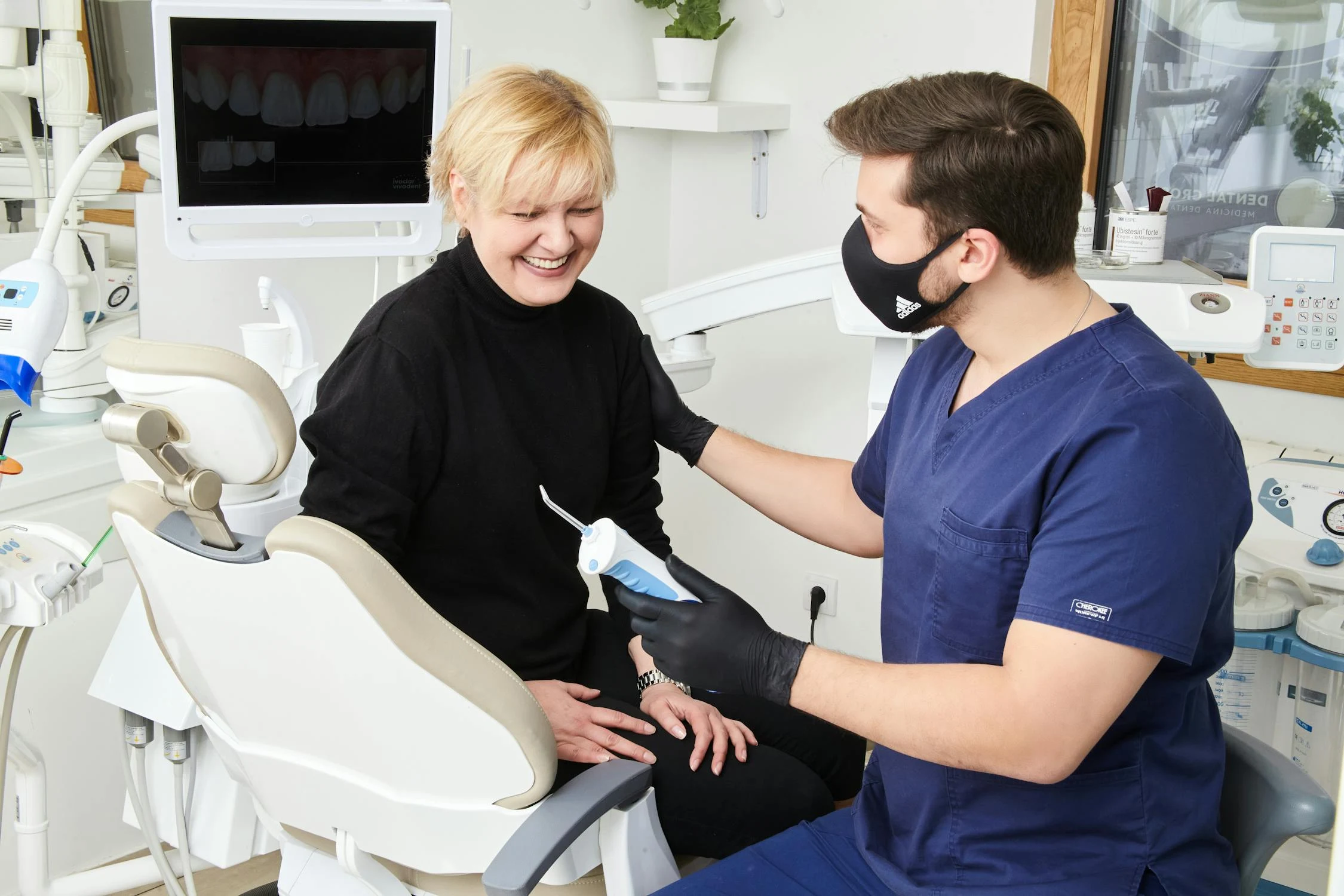
General dentist examining a patient before an implant referral

Referral marketing is the lowest-cost, highest-margin patient acquisition channel a dental implant practice can build, and it is also the most consistently neglected. The implant practices that quietly close five to eight cases per month entirely from referrals — at a blended acquisition cost near zero — are not the ones with the best clinical reputation or the most charismatic surgeon. They are the ones who treat referrals as an operational system with named owners, monthly tracking, and a defined activation cadence across three distinct referral sources: general dentists, specialist colleagues, and existing patients. This article lays out a referral architecture built for implant practices: the partner kit contents that produce repeat GP referrals, the patient-referral incentive structure that produces same-month signed cases, and the quarterly events that transform passive referral sources into active advocates without violating any state advertising or kickback regulations. Treat every recommendation below as a repeatable play you can hand to a named team member, measure against a monthly referral target, and refine quarter over quarter until referrals become your single most predictable source of high-value full-arch cases.

Why Referral Marketing Beats Paid Acquisition on Margin

A referred implant patient closes at 68% on first consultation versus 38% for paid traffic, sees an average case value 22% higher because the trust frame is pre-established, and produces a referral of her own at 34% versus 11% for the paid patient. The lifetime value of a referred patient runs roughly 2.4x the lifetime value of a paid patient at acquisition costs near zero. Yet most implant practices invest 90% of their marketing budget in paid media and 10% in referral systems — backwards from where the margin actually lives.

The Economics That Justify Referral Investment

On a typical $42,000 full-arch case, a paid acquisition costs $480 in blended media spend, closes at 38%, and produces $16,000 in net contribution after lab fees and chair time. A referred case costs $40 in administrative time, closes at 68%, and produces $28,000 in net contribution because the higher close rate dilutes the acquisition cost across more signed cases. The referred case generates 1.75x the margin of the paid case at one-tenth the acquisition cost.

The Three Referral Sources and Their Different Mechanics

General dentists refer because their patient needs care they cannot provide and they trust the specialist to return the patient with a finished case and an intact relationship. Specialist colleagues — periodontists, oral surgeons, prosthodontists — refer because the case is outside their scope or capacity. Existing patients refer because they had a transformative experience and want a family member or friend to receive the same care. Each source has different mechanics, different communication preferences, and different activation triggers.

Building the General Dentist Referral Network

GP referrals are the most stable, highest-margin referral source available to an implant practice, but they require deliberate cultivation over 12 to 24 months. The GP refers to the implant surgeon she trusts most, returns to her practice with intact relationships, and continues referring as long as that trust is reinforced through every case. The infrastructure that produces sustained GP referrals is a partner kit, a case-report protocol, a quarterly CE event, and a relationship owner who is not the surgeon herself.

The Partner Kit That Earns the First Referral

The partner kit is the physical and digital toolkit that makes it easy for a GP to refer to the implant practice. Physical contents: 25 referral pad cards with prepaid postage, a folio with the surgeon's CV and case-volume sheet, before-and-after laminated reference cards for the four most common procedures, and a custom 'refer to us' QR-coded acetate window cling for the GP's reception desk. Digital contents: a one-click email referral template, a HIPAA-compliant intake portal, and a Loom video showing the GP exactly how to refer in 90 seconds.

Case Reports and the Trust-Compounding Protocol

When a referred patient completes treatment, the GP receives a one-page case report inside seven days: pre-op photos, treatment summary, post-op photos, prosthetic details, and a thank-you note from the surgeon. This protocol — sustained reliably across every single referred case — is the single highest-leverage GP retention asset. GPs who receive case reports refer 4.1x more often than GPs who do not, and the differential compounds over time as trust deepens.

Specialist Reciprocity and Cross-Referral Architecture

Specialist-to-specialist referrals operate on different rules than GP referrals. Periodontists, oral surgeons, and prosthodontists refer based on capacity, scope, and reciprocity. The implant practice that builds genuine reciprocal referral relationships with two periodontists, one oral surgeon, and one prosthodontist in the market typically picks up 18 to 30 cases per year from those relationships — high-margin cases with no acquisition cost and a 72% close rate because the patient arrives pre-sold by a respected colleague.

The Capacity Reciprocity Conversation

Specialist referrals begin with a direct surgeon-to-surgeon conversation about capacity overflow, case complexity, and clinical preference. 'Dr. Chen, when you have a full-arch case that exceeds your current surgical bandwidth, I would welcome the referral and I will return the patient to you for the prosthetic phase if that fits your practice model.' The conversation is direct, professional, and explicit about the reciprocity terms — what stays with the referring practice, what comes to the implant practice, and how the patient experience is preserved.

Shared Facility and Joint-Treatment Arrangements

The most durable specialist relationships involve shared facility access or joint-treatment protocols. A periodontist who places implants on Thursdays at the implant surgeon's facility — using the practice's CBCT, surgical guides, and lab partnership — develops a working partnership that produces referrals in both directions. The arrangement requires careful legal structuring to avoid Stark and anti-kickback issues, but a healthcare attorney can structure a compliant facility-use agreement for roughly $4,000 in legal fees.

The Patient Referral Engine and Its Activation Triggers

Patient referrals are the highest-conversion source available to an implant practice — 71% close rate, 28% higher average case value, near-zero acquisition cost — and the most operationally manageable to scale. The patient referral system is not built on incentives or asks; it is built on activation triggers at specific emotional moments in the patient journey, supported by a simple referral mechanic that takes the patient under 30 seconds to execute.

The Four Activation Moments in the Implant Journey

The first activation moment is the temporary delivery — the day the patient walks out of the practice with a functional temporary prosthetic, having gone from edentulous shame to a confident smile in a single visit. The emotional charge of that moment produces the highest referral conversion of any single touchpoint in the journey. The TC walks the patient out, hands her three referral cards, and says: 'Sarah, if you know one person who deserves this same change, here are three cards. We will treat them like family.'

The Incentive Structure That Works Without Cheapening

Patient referral incentives must be carefully structured to avoid violating state advertising rules and federal anti-kickback statutes when Medicare or Medicaid is involved in any patient's care. The safe, effective structure is a thank-you gift of non-cash value — a $100 high-end gift card to a local restaurant, a charitable donation in the patient's name, a complimentary professional whitening, or a year of free dental supplies — sent after the referred patient completes treatment, not at the referral itself.

Tracking, Attribution, and the Quarterly Referral Audit

A referral system without tracking is a referral system that quietly decays. The practices that sustain five to eight monthly referred cases across multi-year horizons all track every referral source by name, attribute every signed case back to its original referrer, and run a quarterly audit of the entire referral engine with the surgeon, the practice manager, and the referral relations manager all in the room. This discipline is what separates a referral system from a referral hope.

The CRM Configuration That Captures Every Referral

Every new patient intake form captures the referral source as a required field with a structured dropdown: GP name, specialist name, existing patient name, or paid source. The intake staff confirms the source verbally during the first phone call and corrects the dropdown if the patient provides additional detail. This single-field discipline produces an attribution layer that lets the practice run accurate reports on referral source ROI, GP-by-GP referral volume, and patient-by-patient lifetime referral value.

The Quarterly Audit and the Annual Strategy Reset

Once a quarter, the surgeon, the practice manager, and the referral relations manager review the rolling 90-day referral data: total referrals received by source, signed cases by source, revenue contribution by source, and the top ten individual referrers across all sources. The audit identifies the GPs trending up, the GPs trending down, the patients who have become repeat referrers, and the specialist relationships that are or are not reciprocating.

Related reading

Frequently Asked Questions

How long until a referral system produces measurable case volume?

GP and specialist referrals begin to flow at 90 days and reach steady state by month nine. Patient referrals start in month four — once the first wave of treated patients has reached the final prosthetic delivery and ambassadorship phase. Plan for 12 months to reach the five-to-eight-cases-per-month referral run rate. Practices expecting referrals to replace paid acquisition in 60 days will be disappointed and will abandon the system prematurely.

Are referral incentives for patients legal?

Non-cash thank-you gifts under $100 in value are generally compliant in most US states for purely private-pay patients. Any cash incentive, percentage discount, or transaction-tied reward triggers risk under state advertising rules. Patients on Medicare or Medicaid are subject to federal anti-kickback statutes that prohibit any inducement at all. Always run the structure past a healthcare attorney before launching, particularly if your patient mix includes any federal payors.

How many GPs should we cultivate as referral partners?

Build a primary network of 80 to 120 GPs in the practice's 15-mile geo across the first 12 months, with the goal of 25 of them producing active monthly referrals by month 18. Focus 60% of the relationship investment on the top ten producers, 30% on the next twenty, and 10% on the long tail. Spreading equal attention across all 120 produces mediocre results everywhere instead of strong relationships with the producers who actually matter.

What is the right thank-you gift for a patient referral?

A $75 to $100 thank-you of personal relevance — a gift card to a restaurant the patient mentioned loving, a charitable donation in her name, a complimentary professional whitening, or a custom care basket — delivered with a personal note from the surgeon within seven days of the referred patient completing treatment. Avoid cash, percentage discounts, or anything tied to transaction value; those structures create legal risk and cheapen the relational frame.

How do we handle a referring GP who occasionally sends unqualified patients?

Treat the patient with full respect even when the case will not close, and never criticize the referring GP. Use the consultation as an opportunity to educate the GP via the case report — 'this patient needed grafting we were not prepared to stage; here is what to look for next time' — and the GP will refine her referral filter without feeling judged. GPs who feel respected refer more often; GPs who feel criticized stop referring entirely.

Implant Prospect is a dental implant marketing agency built for implant-focused practices. If you want help applying this to your own schedule, get in touch. Get in touch →

Want This Strategy For
Your Practice?

Book a free 30-minute strategy call and we'll build a custom plan for your market.

From the Founder

Implant Prospects was founded by Thiago Carvalho, author of two books on dental implant marketing. He is also the founder of ZenData CRM, a CRM built for dental practices to book, manage, and retain the patients their marketing brings in.