Lead GenMay 28, 2026 · 5 min read

Implant Patient Testimonials That Actually Close Full-Arch Cases

Thiago Carvalho

· Founder & CEO

Published · Updated

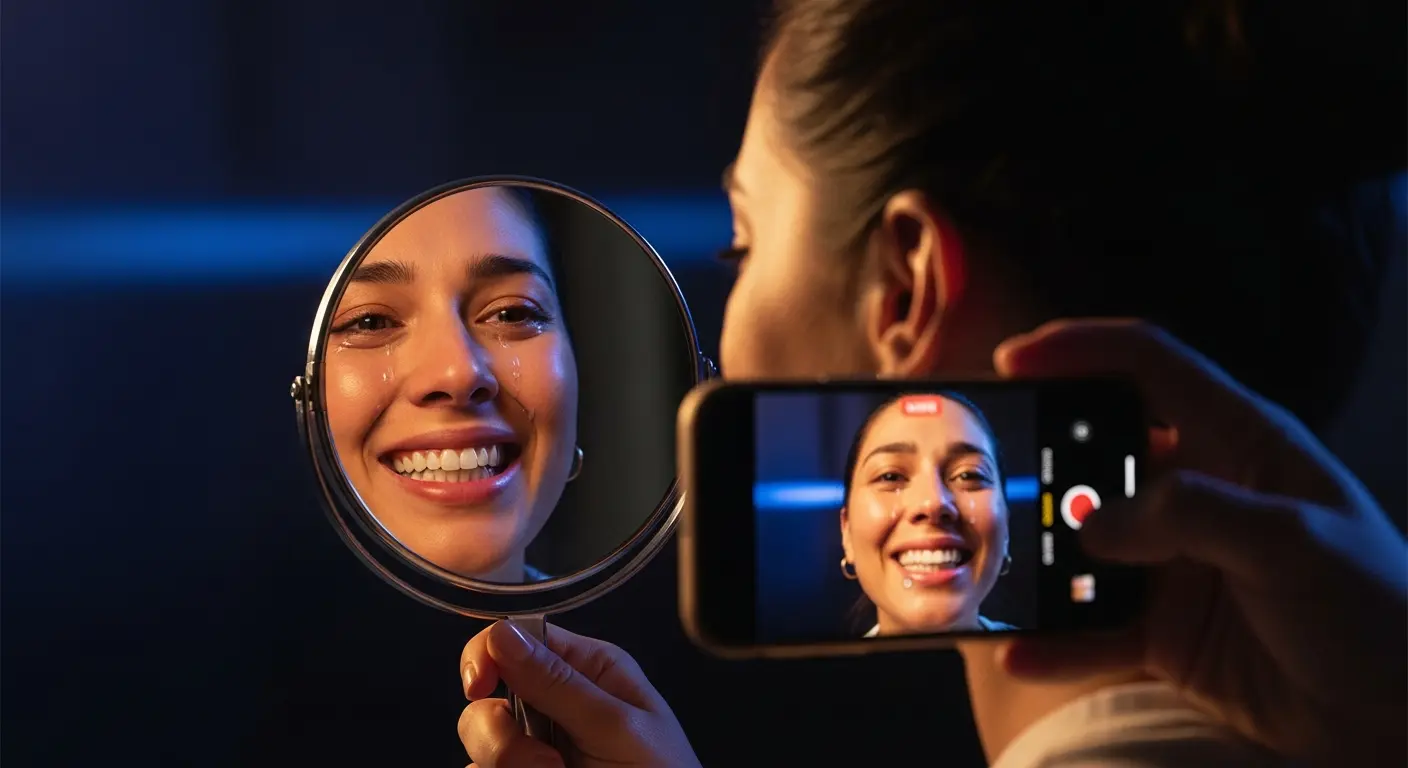
Implant patient recording a video testimonial after the smile reveal

Patient testimonials are the single highest-leverage piece of content an implant practice can produce — and most practices are doing them wrong. The selfie video of a happy patient saying 'Dr. Smith is great, I love this office' converts almost nothing. A structured, professionally captured patient story showing the journey from broken-down dentition to a confident smile, with specific dollar figures, real timelines, and the doctor's voice woven through, converts at rates that beat every other content asset in the funnel. This article walks through a testimonial system for high-growth implant practices: how to identify the right patients, how to structure the story arc, how to produce video that does not look like a real estate agent recorded it on her phone, how to handle HIPAA and compliance correctly, and how to deploy testimonials across paid ads, organic content, landing pages, and the consultation room itself.

Why Most Implant Practice Testimonials Convert Nothing

Generic Praise Versus Specific Transformation

Walk through the testimonials page of any random implant practice. You will find ten variations of 'great staff, painless procedure, I love my new smile.' Patients reading this register it as background noise. There is no specificity, no emotional arc, no concrete before-state, and no proof of permanence. It checks a box and moves zero needles.

Production Quality Signals Practice Quality

A grainy, vertical phone video of a patient testimonial does not feel high-stakes. Implants are high-stakes — patients are weighing $20K to $60K decisions. The production quality of your testimonials communicates the seriousness with which your practice approaches its work, before a single word is spoken.

Identifying Patients Whose Stories Will Actually Convert

The Three Patient Archetypes Worth Capturing

Not every happy patient is a useful testimonial. Focus capture on three archetypes that map to your most common patient objections. First: the fearful patient who overcame anxiety. Their story dissolves the 'I'm scared of the procedure' objection that kills 22 percent of consults.

Avoiding Survivorship Bias in Patient Selection

Practices naturally gravitate to filming their best clinical outcomes — the perfect cosmetic results, the textbook full-arch transformations. Prospective patients sense this. Cherry-picked outcomes feel manufactured. Including a few testimonials that acknowledge friction — the long healing period, the temporary denture phase, the second surgery — paradoxically increases trust and conversion.

The Story Arc Structure That Works Every Time

Before, Decision Moment, During, and After

Every high-converting testimonial follows the same four-act structure. Before: the patient's life with the problem — specific behavioral limitations, social embarrassment, physical pain. This act establishes the emotional stakes that make the rest of the story matter.

Interview Technique That Produces Useful Footage

The interviewer should not be on camera. Their questions should be open-ended, slightly uncomfortable, and silent after the patient answers. Most patients give a polite, surface-level response first. The gold comes in the second sentence — when the silence after the polite answer forces them to keep talking.

HIPAA, Compliance, and Release Documentation

Written Releases That Actually Protect the Practice

Every patient testimonial requires a written release that specifically grants permission for the practice to use the patient's likeness, voice, name, and protected health information in marketing materials across all current and future media channels. The release must be signed before any filming begins and stored permanently in the patient's file.

What Patients Can and Cannot Say About Pricing

Patients can absolutely discuss what they personally paid for their treatment. They cannot promise that other patients will pay the same amount. They cannot make medical claims about expected outcomes that are not supported by clinical evidence. They cannot disparage other practices or specific competitors.

Deployment Across the Funnel for Maximum Conversion Lift

Paid Ads, Landing Pages, and Email Nurture

A single high-quality testimonial deployed across multiple funnel stages outperforms ten testimonials sitting on a buried testimonials page. The same 90-second video runs as a Facebook ad targeting full-arch lookalike audiences, embeds above the fold on your full-arch landing page, and lives inside your post-inquiry email nurture sequence.

Testimonials in the Consultation Room

The single highest-leverage deployment of patient testimonials is inside the consultation room itself, played at the moment a patient hesitates on case acceptance. When the TC senses the patient is leaning toward 'let me think about it,' she pulls up a tablet and plays a 90-second video of a previous patient who said the same thing and how they navigated the decision.

Common Testimonial Mistakes That Kill Conversion

Scripted Patients Sound Scripted

The instinct to hand a patient a script of exactly what to say produces the worst testimonials in the library. Patients reading scripted lines sound stiff, the language sounds nothing like real speech, and prospective viewers detect the inauthenticity within the first five seconds. Trust collapses immediately.

Burying Testimonials in a Testimonials Page

The dedicated testimonials page is the lowest-trafficked page on most implant practice websites — typically 1 to 3 percent of total site visitors ever reach it. Putting testimonials there is functionally equivalent to not publishing them at all. The high-converting placement is in-context: next to the financing section, inside the booking flow, embedded in the consultation room playlist.

Letting Testimonials Age Out Without Refreshing

A testimonial filmed in 2022 shown to a 2026 prospective patient quietly signals stagnation. The patient's clothes look dated. The doctor in the video may have moved on. The technology shown may have been replaced. Prospects unconsciously discount older testimonials even when they don't articulate why.

Related reading

Frequently Asked Questions

How many testimonials does our implant practice actually need?

A minimum of 12 high-quality video testimonials covering different procedure types, patient demographics, and primary objections. Beyond 30, you hit diminishing returns. Focus on diversity and freshness, not quantity. Quarterly capture of 4 to 6 new testimonials keeps the library current and proves an active, growing practice rather than a stagnant one.

Can we compensate patients for testimonials?

Modest compensation — typically a treatment credit of $250 to $500 or a complimentary cleaning year — is generally acceptable but must be disclosed on-screen if it materially influenced the testimonial. Most state dental boards prohibit cash compensation tied to specific praise. When in doubt, run your compensation structure past legal counsel before offering.

What if a featured patient later has a complication?

Pull the testimonial from active use immediately. Document the reason for removal in your records. If the complication becomes public, having proactively removed the content demonstrates good faith and reduces enforcement exposure. Build your release language to specifically allow the practice to remove content at any time without patient consent.

Should testimonials be filmed in our office or somewhere neutral?

In your office, in clinical-adjacent space — your reception, your consultation room, or a clean professional backdrop. Filming in the patient's home or a coffee shop signals lack of investment. Filming in the actual treatment chair feels staged. A consultation room with subtle practice branding is the sweet spot for authenticity and professionalism.

How do we ask patients to do a testimonial without it feeling awkward?

Ask at the post-treatment satisfaction peak, typically 30 to 90 days after final delivery. Frame it as helping other patients in their position. Most patients say yes because they remember the fear they felt before treatment and want to ease that fear for others. Roughly 30 to 45 percent of well-asked patients agree to film.

Implant Prospect is a dental implant marketing agency built for implant-focused practices. If you want help applying this to your own schedule, get in touch. Get in touch →

Want This Strategy For
Your Practice?

Book a free 30-minute strategy call and we'll build a custom plan for your market.

From the Founder

Implant Prospects was founded by Thiago Carvalho, author of two books on dental implant marketing. He is also the founder of ZenData CRM, a CRM built for dental practices to book, manage, and retain the patients their marketing brings in.